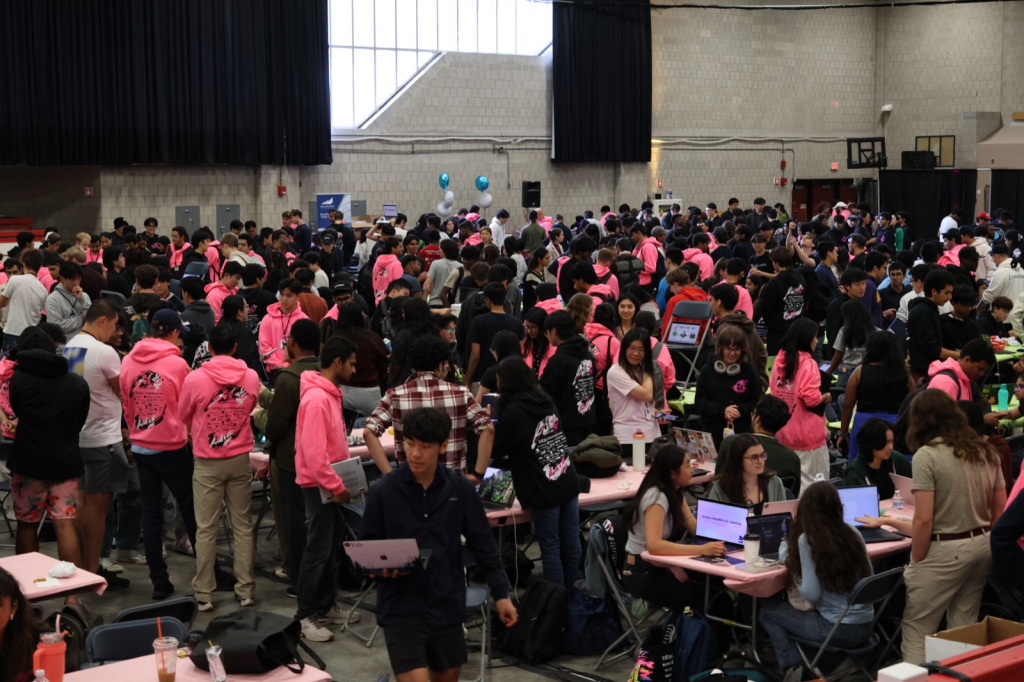
In today’s competitive landscape, professional networking is no longer reserved for university graduates or seasoned professionals. Increasingly, high schools (UK: secondary schools) are recognising the value of equipping students with tools that prepare them for higher education and future careers. One such tool is LinkedIn—a platform traditionally associated with job seekers and employers, but now emerging as a powerful resource for teenagers. Teaching secondary school students how to use LinkedIn effectively can help them showcase achievements, connect with mentors, and explore career pathways long before they enter the workforce.
Key Findings
- Early Exposure Builds Confidence
Introducing LinkedIn at the secondary school level demystifies professional networking and helps students develop confidence in presenting themselves online. By creating profiles early, learners become familiar with digital professionalism and understand how their academic and extracurricular activities translate into employable skills.
- Profiles as Digital Portfolios
LinkedIn serves as a dynamic portfolio where students can highlight coursework, projects, volunteering, and leadership roles. Unlike traditional CVs, profiles can include multimedia elements—such as videos or presentations—making achievements more engaging and accessible to universities and future employers.
- Networking Beyond the Classroom
Students can connect with alumni, industry professionals, and organisations, gaining insights into career paths and educational opportunities. These connections often lead to mentorship, internships, and exposure to real-world expectations, bridging the gap between school and the professional sphere.
- Skill Development and Endorsements
LinkedIn’s skills section allows students to list competencies and receive endorsements from teachers or peers. This feature reinforces the importance of transferable skills—such as communication, teamwork, and problem-solving—while validating them through external recognition.
- Access to Learning Resources
Beyond networking, LinkedIn offers access to LinkedIn Learning, a vast library of courses on topics ranging from coding to leadership. Encouraging students to explore these resources fosters lifelong learning habits and complements classroom instruction.
- Guided Implementation Matters
Teachers play a crucial role in guiding students through the process. Structured lessons on profile creation, privacy settings, and professional etiquette ensure that students use the platform responsibly and effectively. Schools that integrate LinkedIn into career education programmes report higher engagement and readiness among graduates.

Conclusion
Empowering secondary school students to use LinkedIn is more than a digital exercise—it is an investment in their future. By teaching learners how to craft professional profiles, build networks, and leverage online resources, educators help them develop a proactive approach to career planning. This early exposure not only enhances university applications but also instils confidence and clarity about life beyond school. As the world of work becomes increasingly interconnected and competitive, LinkedIn offers students a head start in shaping their personal brand and accessing opportunities. For schools committed to preparing students for success, integrating LinkedIn into the curriculum is a forward-thinking step that bridges education and employability.
For further insights into the study that shaped the article, please read How High School Students Can Benefit From Using LinkedIn.
Internship Programmes That You May Be Interested In:
Get a special discount by quoting code AISLMALL during CHECKOUT.
Academic & Career-Oriented Summer School Programs – Immerse Education

Immerse Education is a leading provider of transformative educational experiences for students aged 13-18. We offer a comprehensive range of academic and career-oriented summer school programmes, delivered both in-person and online. Our flagship residential programmes are hosted at prestigious universities in major global cities, including Cambridge, Oxford, London, Sydney, New York, Toronto, San Francisco, Singapore, Boston, and Tokyo.
Work Experience Summer Camps – Law Mind

Law Mind offers prestigious summer camps in London for aspiring lawyers aged 14-25. Participants gain hands-on experience in the legal field, exploring real-world legal challenges. These camps provide valuable skills, knowledge, and confidence to help students pursue successful careers in law.
Work Experience Summer Camps – Medic Mind
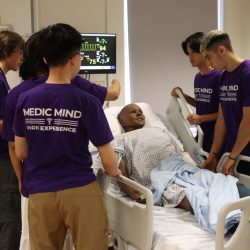
Medic Mind’s summer camps in London offer an intensive medicine work experience, giving students firsthand insights into the medical field. The program includes UCAT prep and mock MMI interviews, designed to boost confidence and performance, providing essential support for aspiring medical students.
Study Mind – Exam Preparation Support
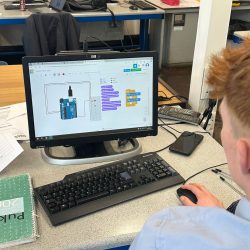
Study Mind’s summer camps in London offer an enriching educational experience, blending learning with personal growth. Set in a city rich in history and culture, these camps inspire students through exploration, discovery, and development, providing a gateway to education beyond the classroom.