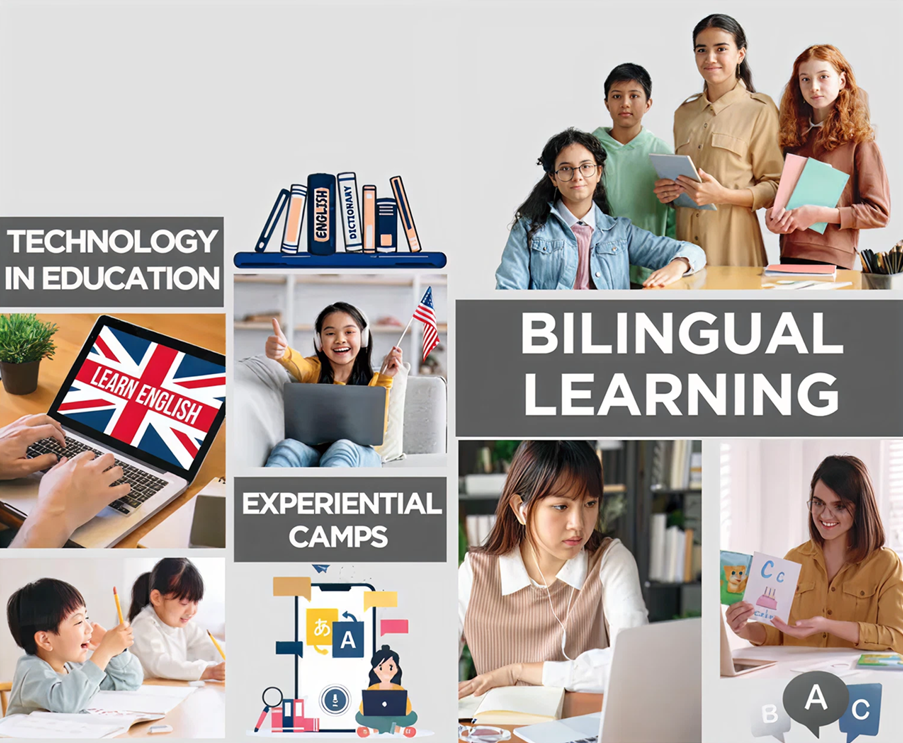
In today’s fast-paced world, the ability to communicate in more than one language has become increasingly essential. Bilingual education is no longer just about mastering grammar rules or memorising vocabulary, it is about using language to explore, connect, and express. With thoughtful integration of technology, we can greatly enhance the bilingual learning experience. When used appropriately, technology supports individualised learning, reinforces language skills, and creates opportunities for students to connect their camp experiences with everyday life.
For example, language learning apps allow students to practise pronunciation, sentence structure, and vocabulary at their own pace, ideal for quiet moments during the day or as an extension after camp. Voice recognition tools can help learners improve their fluency through real-time feedback, while online collaboration platforms make it possible for students to work on group projects, presentations, or creative tasks in multiple languages.
Camp educators also benefit from these digital tools. With access to learning data, they can track student progress and provide tailored feedback. This helps meet individual needs more effectively, making learning more engaging and boosting student confidence.
EXTENDING LEARNING BEYOND THE CAMP
Digital portfolios allow parents to stay connected with their child’s bilingual journey by viewing projects, tracking progress, and celebrating achievements. This involvement strengthens the relationship between home and learning environments, encouraging continued language development outside of camp.
Even after the programme ends, students can revisit materials, reflect on their experiences, and continue practising their bilingual skills online. Staying in touch with peers through messaging or collaborative platforms helps reinforce language use in informal, real-world settings. This continuity plays a key role in helping students maintain fluency and motivation.
BALANCING TECHNOLOGY WITH HUMAN CONNECTION
While digital tools can enhance bilingual learning, they should never replace real human interaction. The heart of language learning lies in social and emotional connection. Camps that use technology well do so in a way that complements, rather than substitutes, in-person experiences.
Face-to-face moments, such as group discussions, team challenges, or casual conversations over meals, offer the richest opportunities for spontaneous language use. These settings allow students to practise listening, speaking, and problem-solving in both languages. Technology can support this by offering tools for reflection, creative expression, or language review, but the focus should remain on genuine interaction.
A HOLISTIC APPROACH TO BILINGUAL LEARNING
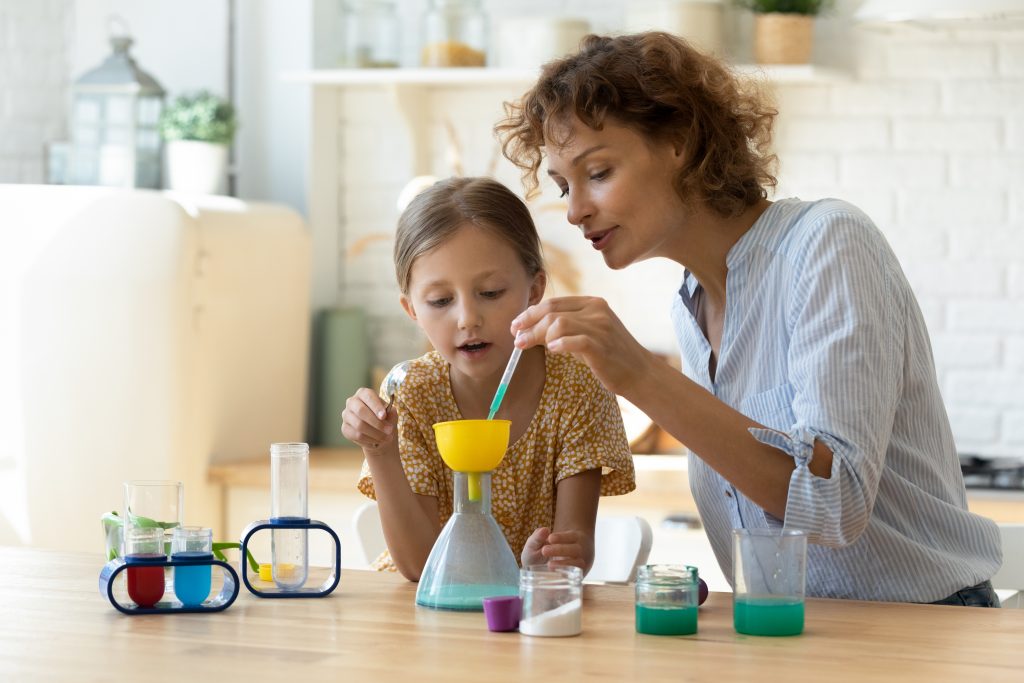
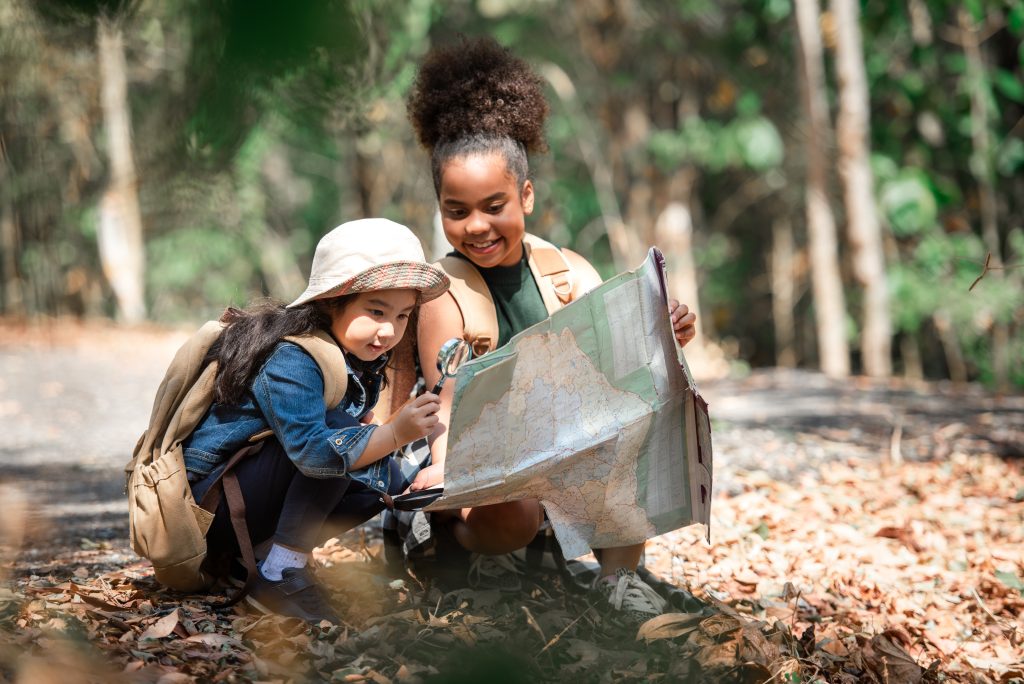
Experiential camps provide a unique platform where language learning becomes active, practical, and meaningful. Students use both languages in real contexts, giving directions on a hike, explaining ideas in group activities, or writing reflections in bilingual journals. These experiences promote natural language acquisition, help build cultural understanding, and boost learners’ confidence.
By integrating purposeful technology into this hands-on environment, educators can create a well-rounded experience that supports each child’s linguistic, social, and emotional growth. The key is finding the right balance using digital tools to reinforce and extend learning while keeping interpersonal communication at the centre.
As more families seek programmes that prepare their children for a global future, bilingual experiential camps offer a compelling solution. When thoughtfully designed, these camps combine meaningful activities with targeted technology, giving students the tools and environment they need to thrive. With the right blend of innovation and connection, bilingual education can become more engaging, relevant, and lasting than ever before.
Extracurricular activities that may be of interest:
Get a special discount by quoting code AISLMALL during CHECKOUT.
AISL Outdoor Year-Round Programmes
AISL Outdoor offers adventurous outdoor and experiential learning programmes for children. Designed to inspire curiosity and confidence, these programmes nurture skills, teamwork and personal development in supportive settings.