
Phonics instruction has long been a cornerstone of early literacy, but traditional approaches often rely heavily on visual and auditory cues alone. For many students—particularly those who thrive on active engagement—this can feel limiting. Recent classroom innovations suggest that incorporating movement and multisensory strategies into phonics lessons can significantly boost learning outcomes and enjoyment.
The Power of Movement in Early Years Phonics Learning
Research and practice increasingly highlight the benefits of linking physical activity with phonics. At Gilles-Sweet Elementary in Ohio, educator Keri Laughlin has transformed her phonics sessions by introducing gestures and movement patterns that correspond to sounds and word structures. For example, students tap their fingers to blend consonant-vowel-consonant words, or use arm motions to represent the beginning, middle, and end of words. These techniques help children internalise phoneme segmentation and blending through kinaesthetic reinforcement.
She also introduced the “Phonics in Motion” approach, which pairs specific sounds with gestures, enabling pupils to physically embody phonemes. This multisensory engagement strengthens neural connections by activating multiple pathways—visual, auditory, and motor—making decoding skills more robust and memorable. Over five years, Laughlin observed measurable improvements in her students’ reading fluency and confidence, demonstrating that movement is far more than a gimmick; it is a powerful pedagogical tool.
Squats, Lunges, and Learning: Active Classrooms in Action
Another innovative strategy involves integrating fitness-style exercises into phonics practice. Imagine students performing squats for short vowel sounds or lunges for long vowels—each movement linked to a phoneme or spelling pattern. This approach not only reinforces phonics concepts but also promotes physical wellbeing, an increasingly important consideration in modern education.
Active phonics lessons can be particularly effective for students who struggle with attention or benefit from sensory input. By combining literacy learning with physical activity, educators create an environment where engagement is high and retention improves. Moreover, these lessons foster a sense of fun and collaboration, reducing anxiety often associated with early reading challenges.
Why Multisensory Instruction Works
The success of these methods lies in their ability to engage multiple senses simultaneously. When students see, hear, and physically act out phonemes, they process information through different cognitive channels, strengthening memory and understanding. This approach aligns with well-established principles of multisensory learning, which have been shown to support diverse learners, including those with dyslexia or other reading difficulties.
Importantly, multisensory phonics does not replace systematic instruction; rather, it enhances it. Educators still provide explicit teaching of sound-symbol relationships, but they do so in ways that are dynamic and inclusive. By embedding movement and tactile experiences into lessons, educators cater to a broader range of learning styles and needs.

A Call to Action for Educators
As literacy demands evolve, so too should our teaching strategies. Multisensory phonics instruction offers a compelling, evidence-informed approach that combines rigour with creativity. Whether through finger tapping, arm gestures, or full-body exercises, these techniques make phonics accessible, memorable, and enjoyable for all pupils.
For schools seeking to improve early reading outcomes, the message is clear: move beyond static worksheets and embrace the power of movement. By doing so, we not only teach children to read—we help them experience learning as an active, engaging, and joyful process.
For the full articles please see: Squats, Lungs and Phonemes and Adding Movement to Phonics Instruction.
Language Learning that may be of interest:
Get a special discount by quoting code AISLMALL during CHECKOUT.
Digital Book Platform – Unite for Literacy
Unite for Literacy is an free online library that offers digital books for young children that are written and/or narrated in 60+ languages. This library is an incredible resource for multilingual learners, their families, teachers and caregivers.
Language Learning Magazine – Magazine International
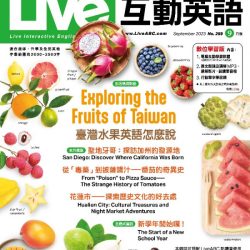
Magazine International (Asia) Limited offers one-stop subscription services to readers of all age. The company represents international publications such as The Economist, National Geographic, Reader’s Digest and over hundreds of other world-renowned titles, as their official appointed agent serving the local community.
Language Learning – Rosetta Stone

Rosetta Stone, Inc., a division of IXL Learning, is dedicated to changing people’s lives through the power of language education. The company’s innovative digital solutions drive positive learning outcomes for the inspired learner at home or in schools and workplaces around the world. Founded in 1992, Rosetta Stone uses cloud-based solutions to help all types of learners read, write, and speak more than 30 languages, including several endangered languages.
Live English Class 1 on 1 – Palfish
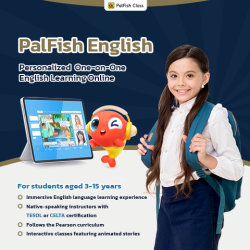
PalFish Class offers personalized online English lessons for kids, featuring Pearson-accredited content and tailored to global standards like CCSS and CEFR. With 50,000+ certified native-speaking teachers and AI-driven tools, the platform ensures engaging lessons, after-school support, and quality education.