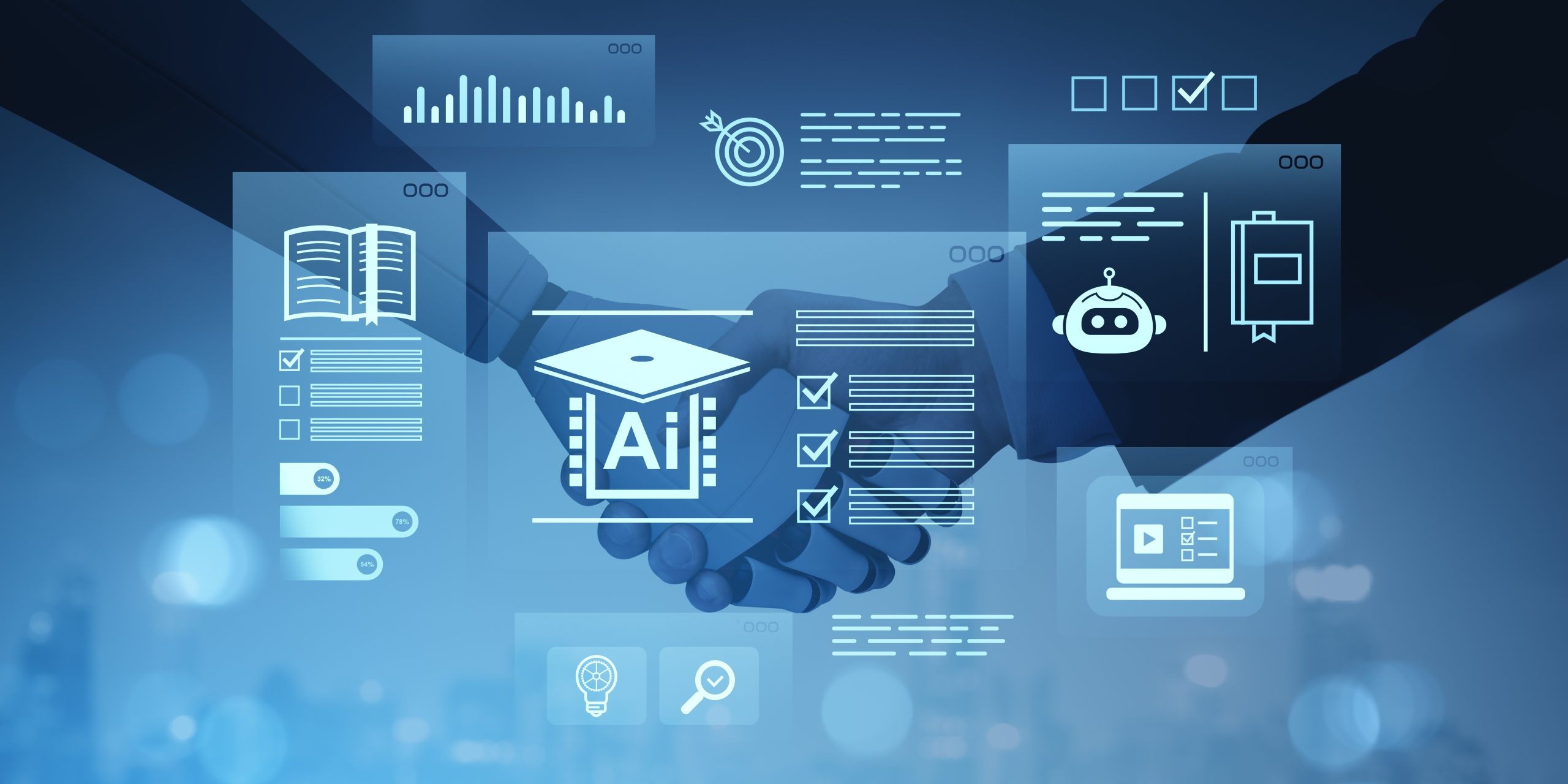
Artificial Intelligence (AI) is no longer a distant dream; it is transforming today’s education landscape. From adaptive learning platforms to automated grading, AI promises efficiency and innovation. But the real question remains: Are educators truly ready for this shift?
To answer that, let’s dive into the Readiness for Artificial Intelligence Applications Scale (RAIS), a research-backed tool designed to measure educator preparedness for AI integration.
What is RAIS and Why Does It Matter?
RAIS evaluates educators’ readiness for AI in the classroom across three critical dimensions:
- Technology Self-Efficacy – Confidence in using AI tools effectively.
- Interaction with Students – Maintaining meaningful engagement while leveraging AI.
- Ethical Awareness – Understanding data privacy, bias, and responsible AI use.
These dimensions go beyond technical skills. They ensure AI adoption enhances learning without compromising ethics.
AI adoption is accelerating, yet many educators are still in need of structured training. RAIS helps educators identify strengths and gaps, enabling targeted professional development. For instance, an educator strong in technology skills but weak in ethical awareness may require targeted training on privacy and bias. Conversely, those confident in ethics but hesitant about technology can benefit from hands-on workshops to build confidence in using AI tools.
Why Schools and Policymakers Should Care
RAIS is not just a diagnostic tool, it is a strategic roadmap.
- School leaders can design professional development programmes based on this RAIS insights.
- Policymakers, at the same time, can set AI literacy standards for their teacher training curricula.
This ensures AI integration is meaningful, ethical, and equitable.
Some Helpful & Practical Tips for Educators
- You can start small: Begin with simple, free AI tools available on the internet for your lesson planning or assessments to get comfortable before moving on to more advanced applications. This gradual approach helps you reduce being overwhelmed and builds confidence in integrating AI into your teaching.
- Don’t forget to focus on Ethics: Understand key issues such as data privacy, bias and transparency while using AI tools. Next, you can discuss these topics with your students to promote responsible technology in your classrooms.
- It is an ongoing process: Invest in this continuous learning. You need to stay updated through workshops, webinars, or online courses that cover both technical skills and ethical considerations. This can ensure you remain prepared for the evolving role of AI in education.
- Collaborating with your peers is a must: Connect with your colleagues to exchange ideas and experiences about AI integration. Those collaboration fosters creativity and helps educators learn from each other’s challenges and successes

Conclusion
The future starts now. AI will continue to evolve, introducing tools we can’t yet imagine. Teacher readiness, therefore, is not a one-time achievement; it is an ongoing process. RAIS offers a structured way to monitor this journey, ensuring educators remain equipped to harness AI responsibly. AI is here to stay. By adopting frameworks like RAIS, schools can move beyond the hype towards impactful and ethical AI integration.
For more details, read the full journal here: AI Readiness Scale for Teachers: Development and Validation.
Education Technology That May Be Of Interest:
Get a special discount by quoting code AISLMALL during CHECKOUT.
AR Learning Tool – Quiver Education Annual Subscription
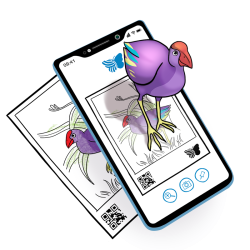
QuiverVision is a one-stop shop for Augmented Reality content and lesson plans for Pre K to Year 8 and beyond. The company develops the software behind the world’s best Augmented Reality Coloring Experiences. Its premier app, “Quiver”, makes learning fun. By combining amazing, augmented reality technology with educational coloring pages, the Quiver App delivers engaging and magical experiences for all. Every colored page comes to life in its uniquely colored way, giving the artist an immediate and special sense of ownership and pride! The Quiver App is immersive, educational, exciting and inspiring – a must have tool for the classroom or at home where children can develop skills and retain knowledge like never before.
Digital Learning Platform – GoNoodle
GoNoodle is a digital platform that uses interactive videos and activities to encourage physical movement and mindfulness in children, primarily for those aged 4-10. It is widely used by teachers in classrooms to provide “brain breaks” that improve focus and behaviour, as well as by parents at home. The content includes dance, exercise, and calming activities, often with a fun, game-like element that helps kids stay engaged and motivated.
E-Learning Platform – KiguLab

Kigumi Group is a Hong Kong-based education company providing digital wellbeing and AI ethics education to schools, parenting associations and enterprises. Since 2023, Kigumi has impacted 7,000+ students, 1,000+ educators and 600+ parents, working with partners like Yew Chung International School, Harbour School, St. Joseph’s Institute International (SJII) Singapore, Chiang Mai Montessori International School, and more to design and deliver custom curricula and programmes in digital wellbeing and AI education.
Specialised and Accessible Touch-Typing Software – KAZ Home Edition
KAZ Type is an award-winning educational software company established over thirty years ago. At the heart of their philosophy is a commitment to inclusivity and making technology accessible to all. For this reason, and through research and innovation, they have produced a specialised and accessible touch-typing software suitable for mainstream, neurodivergent, hearing-impaired, partially sighted and blind learners.
Online Teaching and Learning Platform – Classroom Amplify
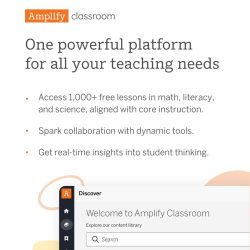
Classroom Amplify is an online teaching and learning platform that provides K-12 educators with interactive lessons, activities, and tools for subjects like math, literacy, and science.