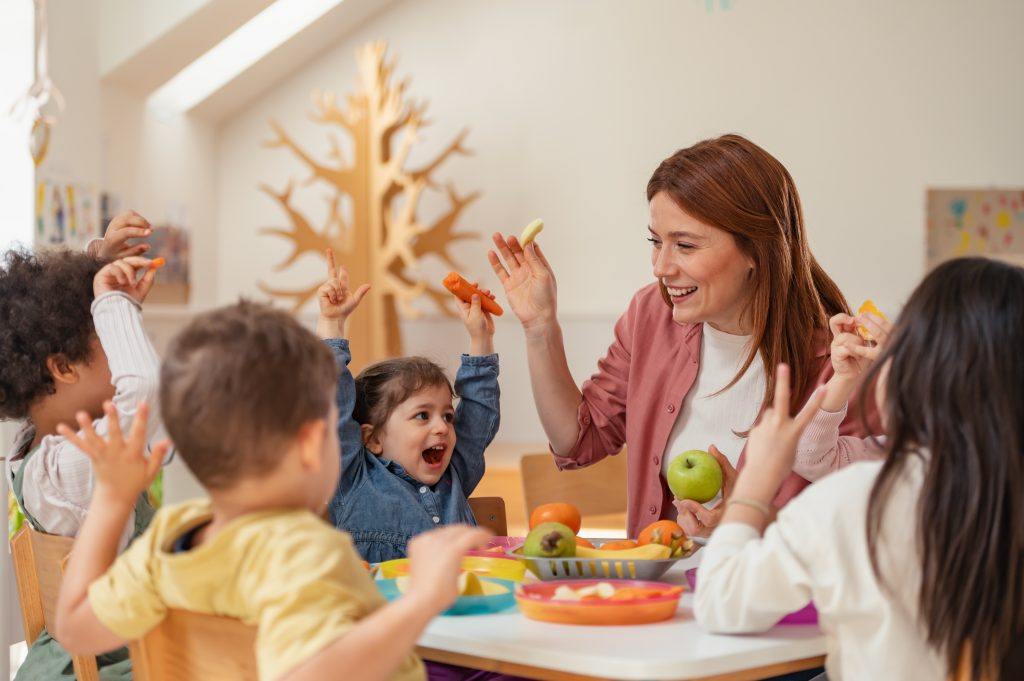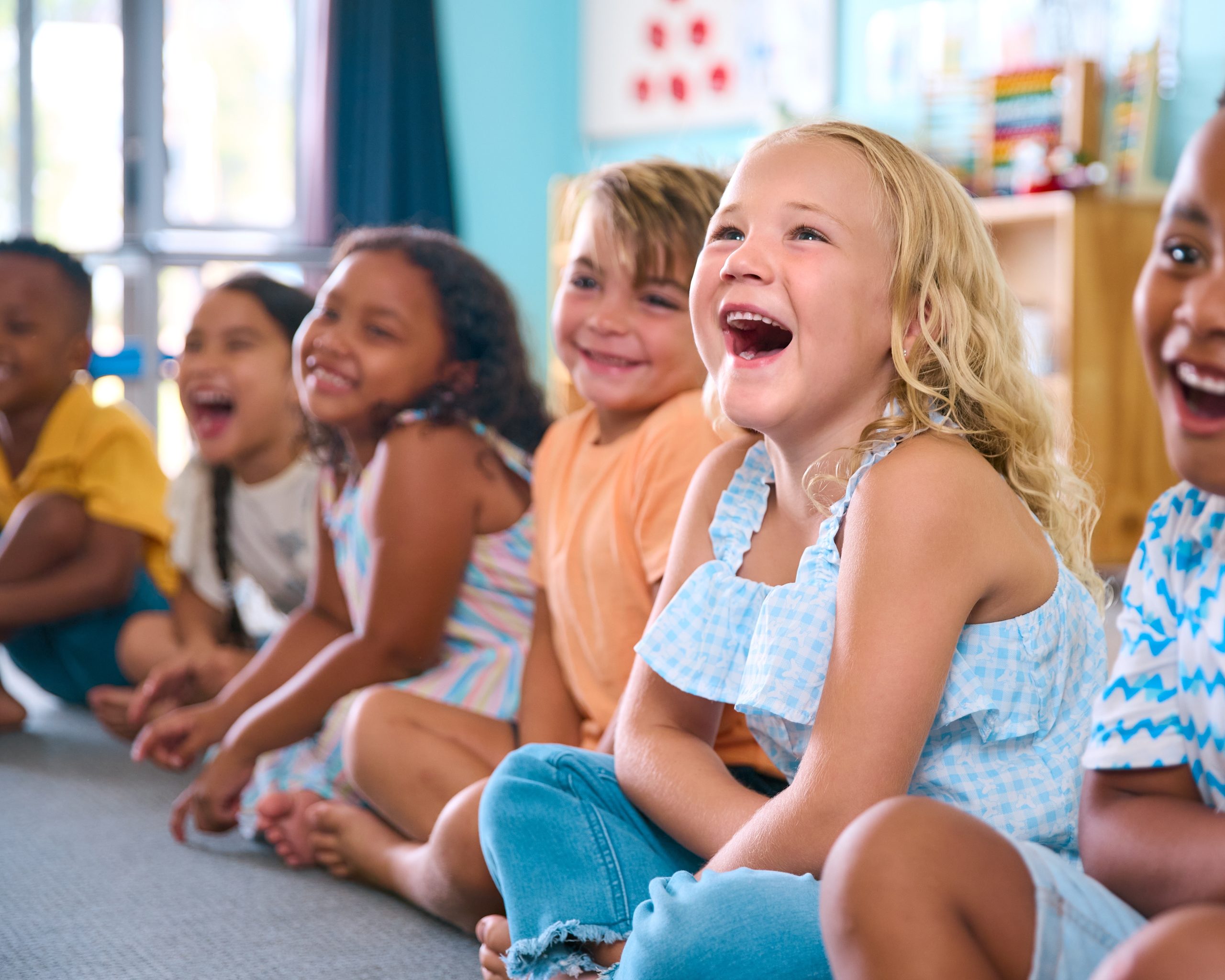
The transition from preschool to primary school represents a significant developmental milestone for young children. While academic readiness often takes centre stage, research highlights that emotional adjustment and a sense of belonging are equally vital for a successful start to formal education (Degli Esposti & Cigala, 2025; Boylan et al., 2024). Drawing on two key studies, this article explores these dimensions and offers practical insights for educators and parents to support children during this crucial stage.
Coping with Emotional Responses
Children moving into primary school frequently experience a mix of emotionsenthusiasm, anxiety, and sometimes fear. Degli Esposti and Cigala (2025) note that these feelings often arise from abrupt changes in routines, expectations, and social environments. Preschool settings typically emphasise play-based learning, whereas primary school introduces structured lessons and formal rules, which can feel overwhelming for young learners.
Emotional stress during this transition may manifest as reluctance to attend school or behavioural challenges. Consistent emotional support is essential. Educators can help by establishing predictable routines, using visual timetables, and creating safe spaces for expression. At home, parents should validate feelings, maintain positive conversations about school, and model coping strategies. Strong communication between home and school ensures consistency, which is key to emotional security.
Building a Sense of Belonging
Belonging is a cornerstone of successful school adjustment. Boylan et al. (2024) emphasise that belonging involves feeling accepted and valued within the classroom community. When children perceive themselves as part of the school environment, they are more likely to engage socially and academically.
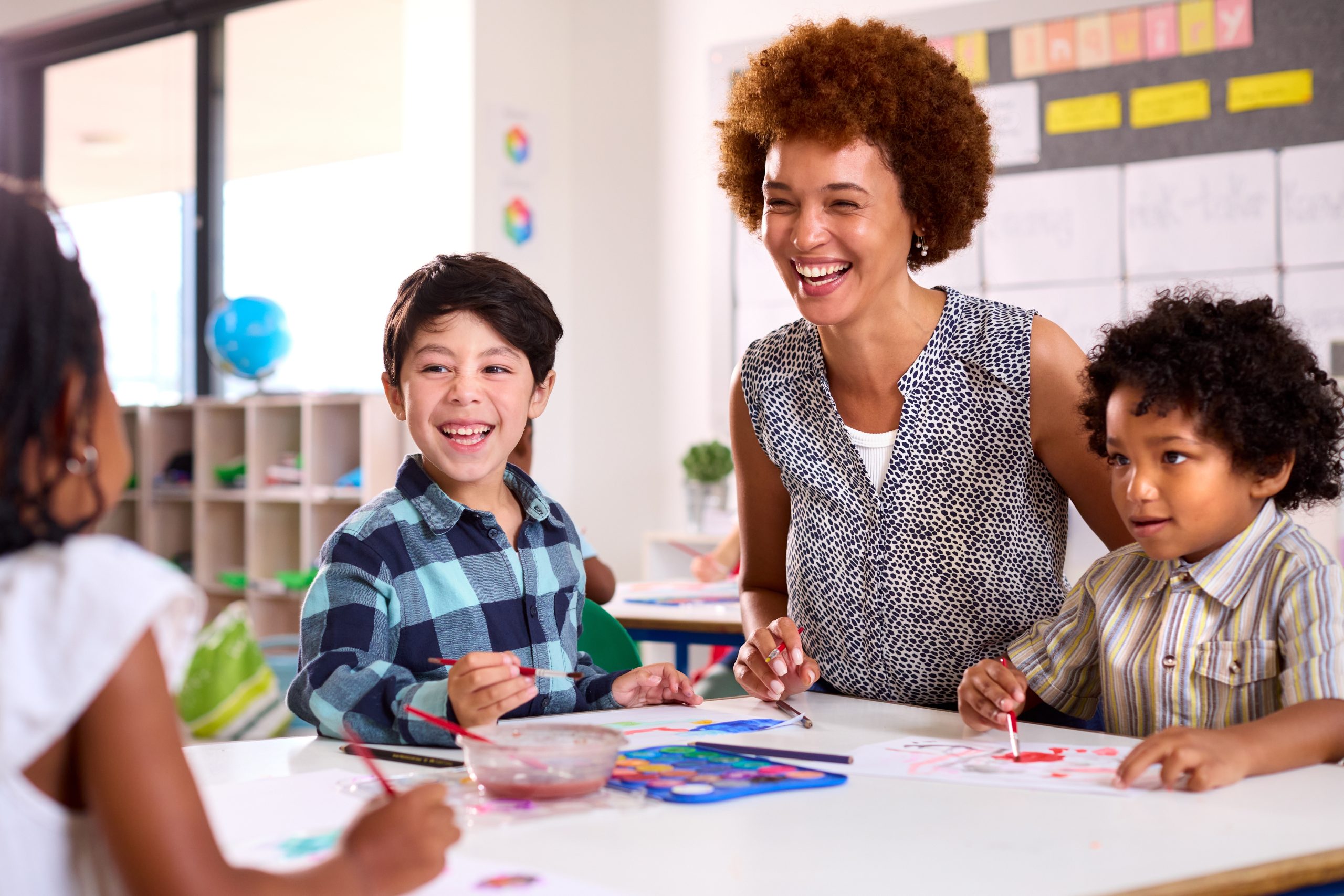
Educators can foster belonging by integrating children’s cultural and family experiences into classroom activities, using personalised greetings, and implementing buddy systems. Displaying children’s work and celebrating diversity further strengthens inclusion. Parents can reinforce belonging by speaking positively about school, encouraging friendships, and maintaining cultural continuity through shared traditions. Without deliberate efforts, some children may feel excluded, which can hinder both emotional wellbeing and learning.
Conclusion
Supporting emotional adjustment and fostering a sense of belonging during the preschool-to-primary transition is essential for children’s wellbeing and academic success. Educators and parents must work collaboratively to create predictable routines, validate emotions, and promote inclusive practices. By prioritising these aspects, we can transform this potentially stressful period into a positive foundation for lifelong learning.
For practical support, the Early Years Foundation Stage (EYES) Transition Toolkit by North Lincolnshire Council offers detailed guidance for Early Years Foundation Stage practitioners and schools. It includes timelines, child profile templates, and strategies for children with additional needs, ensuring continuity and emotional security.
For further insights into the studies that shaped this article, please read Degli Esposti and Cigala (2025) Children’s Experience of Transition from Preschool to Primary School: A Scoping Literature Review and Boylan et al. (2024) Transforming Transitions to Primary School: Using Children’s Funds of Knowledge and Identity.
Curriculum and Guides that may be of interest:
Get a special discount by quoting code AISLMALL during CHECKOUT.
Books and E-books – Shanghai Book Traders
Shanghai Book Traders was established in 1950 and has a development history of over 70 years. It is a state-owned book import and export company with its headquarters located at Fuzhou Road, Huangpu District, Shanghai. It owns its own stores and warehousing centers, and has branches overseas as well as several distribution centers in Asia, Europe and America. The company has established partnerships with thousands of publishing houses at home and abroad. Its business scope includes book retail, wholesale, import and export of books and periodicals, holding various book exhibitions at home and abroad, copyright trading, agency import and export, etc. Among them, the book import and export business holds over 70% of the market share in the East China region and has established business relations with most foreign-related schools and institutions in the region.
Educational Resources – CK-12
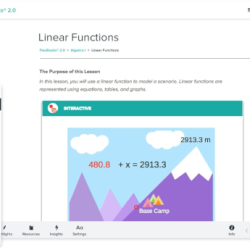
CK-12 Foundation revolutionises education by providing free, high-quality learning resources for students and educators globally. Their mission is to reduce the cost of academic textbooks for K-12 education worldwide. CK-12 leverages technology to offer customizable digital textbooks, interactive simulations, adaptive practice, and real-world applications, making learning engaging and effective.
Online Course Platform – MIT Open Course Ware (OCW)

MIT OpenCourseWare (OCW) is a free and open publication of educational materials from thousands of MIT courses, available online to anyone. It includes materials such as syllabi, lecture notes, assignments, exams, and sometimes video lectures and textbooks, but it does not offer academic credit or certification. The initiative was launched to provide a broad range of MIT’s curriculum freely and openly, inspired other institutions to share their own open educational resources, and allows users to learn at their own pace.
Ready-to-Go Curriculum Sets – NovaAcademy
Novalearn Limited is an EdTech company transforming education by seamlessly integrating machine learning, studio-produced edutainment, and quality STEAM education aligned with international K-12 curricula. It empowers students and support educators by equipping them with the skills and tools they need for success. From children and parents at home to school leaders and teachers, the company strives to ensure effective, engaging, and accessible learning and teaching for all. Their vision is to lead the education revolution by improving supplementary education quality, increasing equity, and bridging educational gaps globally.