
Why does subject leadership need to move beyond compliance towards sustained improvement?
Action plans are supposed to drive improvement, yet in many schools they end up having very little impact. We have all experienced writing an action plan that serves no purpose beyond the words on the page it is written. These plans often exist to demonstrate compliance rather than guide improvement within our schools. When this happens, moments to improve teaching and learning are lost. This leads us to consider: are action plans about accountability, or about sustained change in classrooms?
Action plans provide an opportunity for middle and senior leaders to reflect on subject strengths and to engage in collaborative conversations about next steps within departments. This roots the process in professional dialogue and development rather than accountability, although accountability still has a role to play at a later stage. The planning process of developing actions can also ensure we have alignment between whole school priorities and department priorities. For example, is oracy identified as a school-wide focus? Are learner attributes primed as a whole-school priority? Now is the time to work smart as well as working hard to ensure cohesion across our schools. In my experience, this also supports teachers in managing cognitive load and helps ensure that action plans do not get lost in the sea of information teachers navigate each term.
With a clear purpose identified, a common danger is that action planning becomes solely focused on operational thinking rather than strategic thinking. We must be clear in our understanding of the difference between the two.
Operational thinking tends to look like this:
- Task-orientated with short timeframe
- Easy to complete and review on a termly basis
- Reactive to events, data or staffing
- Evidence through a paper trail rather than long-term changes or impact
There are short-term wins available with operational thinking and it is a core part of the day job. Middle and senior leaders must update documentation, manage calendars, lead briefings, and organise resources, but these actions alone are unlikely to influence teaching and learning or lead to sustained improvement in outcomes.
By contrast, strategic thinking focuses on actions that are designed to create clear and lasting impact.
- Demonstrating impact over a sustained period of time
- Alignment with wider school and department priorities
- Planned implementation, with the EEF framework offering a useful starting point
For action plans to be rooted in strategic thinking, subject leaders need time and space for reflection. They cannot be pressured by internal and external quality assurance agencies to demonstrate quick wins. This requires long-term thinking and a culture that encourages reflection and refinement, allowing staff to adjust plans thoughtfully where needed.
Effective action planning therefore is rooted in strategic thinking, collaborative partnerships and effective reflections. In practice, this means focusing on a small number of high leverage priorities that are most likely to lead to meaningful change in school.
These priorities are not decided on a whim or chosen on instinct but are informed by quality assurance processes, data analysis, and feedback from staff and students. Where possible, they should also align with whole school initiatives so that effort and impact are focused. Once objectives are agreed, effective action planning includes setting clear success criteria linked directly to teaching and learning, alongside realistic timelines that allow new practices to be embedded and sustained.

One of the most important elements of action planning is the review process and this is an element I have worked to strengthen at Harrow Bangkok. Subject leads are given at least four weeks after the start of term to develop their action plans, allowing time and head space to reflect on the previous year. This ensures that subject leaders have time to reflect with their line manager, develop a clear understanding of subject priorities, and identify precise high leverage steps. Action plans are then reviewed through a roundtable discussion with SLT and the subject leads. This process is not about making judgements but about reflecting together as a team and ensuring consistency and coherence across the school. At this stage, we work collaboratively to offer suggestions that will secure the greatest impact. Subject leads can also request any support they need at this stage. Overall, the focus is on creating opportunities for professional dialogue and collaboration rather than on accountability measures.
My key takeaways for effective action planning are:
- Be strategic minded with a focus on long-term impact
- Action plans should be treated as live documents that are reviewed and adjusted to reflect the evolving nature of a school
- Regular review and reflection create opportunities for collaboration
- Collaborative partnerships strengthen the impact and sustainability of action plans
The role of the subject leader is to shape the direction of curriculum and teaching and learning within their department. We want to nurture subject leads who have the knowledge, skills and autonomy to lead effectively. We achieve this by working collaboratively to develop action plans that lead to sustained improvement in teaching and learning and, ultimately, positive outcomes for our students.
Professional Development That May Be of Interest:
Get a special discount by quoting code AISLMALL during CHECKOUT.
Coding Professional Training Courses – BSD

BSD Education is a global EdTech startup focused on designing, developing, and delivering programs of learning digital skills. They partner with schools all around the world to make it easier to integrate technology curricula, including coding in all subjects, without the need to hire skilled professionals. Founded in 2013 by Chris Geary and Nickey Khemchandani, BSD Education has come a long way from its beginnings in Hong Kong. Currently, BSD Education works closely with both students and teachers, helping to prepare students for the jobs of the future and making digital skills more accessible to teachers.
Coaching Early Childhood Growth and Leadership Programme – Abigail Carr

Abigail Carr is an Early Childhood Learning specialist with 27 years of experience in early childhood settings 15 of those in leadership and management. She has led and supported the establishment of 8 Kindergartens in Hong Kong, authoring policies, hiring, and training staff, and developing prospective family relationships and lead generation for enrolment. Her consulting, coaching, and training are comprehensive programmes designed to enhance sound educational practices in the classroom, as well as bridge the gap between educational excellence and business acumen within your school team. She provides schools with strategic training in educational excellence and parent-school relationships.
Evidence Based Education – Great Teaching Toolkit
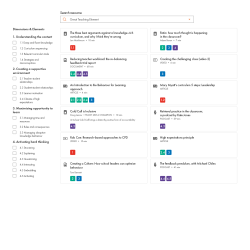
The Great Teaching Toolkit helps teachers improve classroom practice by setting goals, building understanding, developing skills through modeling and feedback, and embedding habits with cycles of practice and reflection. It offers courses, resources, and feedback tools based on international research evidence.
Online Learning – GCFGlobal
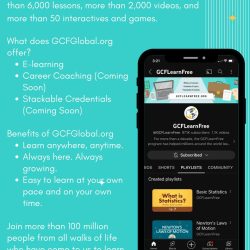
GCFGlobal is a free online educational website that provides tutorials, classes, and lessons on a wide range of topics, including technology, career development, and core life skills. A program of the Goodwill Community Foundation Inc. (GCF), it offers resources for anyone looking to learn new skills at their own pace, with no cost or subscription fees.
Professional Growth & Development – AISL Academy
AISL Academy is a global learning professional development platform for educational specialists who will have access to the latest and best practices of pedagogy, professional learning and social development, within an international, interactive and interconnected setting. Built upon AISL Harrow Schools’ pillars of strengths and excellence, the Academy is a collection of high quality and high impact certified and accredited courses, dedicated panel discussions and shared learning events, targeting educators including but not limited to international education professionals, and educators of both international and bilingual K-12 education.