In classrooms and living rooms across the world, a quiet debate is unfolding: Is it better for the planet to read a printed book or swipe through an e-book? At first glance, the answer seems obvious—digital must be greener. But the truth, as two recent studies reveal, is far more nuanced.
The Hidden Cost of Paper
According to a BBC article, the environmental toll of printed books is significant. A single paperback emits about 1 kilogram of carbon dioxide during its life cycle. Multiply that by the 767 million paperbacks sold in the United States in 2023, and the result equals the electricity use of more than 150,000 homes for a year. The main culprits? Deforestation for paper, energy-intensive printing, and global shipping.
Publishers are taking action. Some are experimenting with thinner paper and sustainable typesetting to cut emissions without compromising readability. HarperCollins, for example, has saved hundreds of millions of pages by tweaking typefaces. These changes may seem small, but they add up—especially when millions of books are printed annually.
The Digital Dilemma
E-books promise a cleaner alternative, but they come with their own environmental baggage. According to National Geographic, every product, including e-readers, has an environmental footprint across six stages: raw material extraction, processing, manufacturing, transport, use, and disposal.
E-readers require rare earth metals and complex supply chains, and their production is energy-intensive. Charging devices and powering data centres add to the carbon cost. If an e-reader is discarded after a few years, its environmental advantage shrinks dramatically. Conversely, for avid readers who consume dozens of books annually, the initial footprint of an e-reader can be offset over time.
So, Which Wins?
The answer depends on your reading habits. If you read occasionally—say, a handful of books a year—sticking with print, especially second-hand or library copies, may be greener. For heavy readers, an e-reader used for many years could reduce emissions significantly.
Both formats have pros and cons. Printed books avoid electronic waste but contribute to deforestation and carbon-heavy logistics. E-books cut paper use and shipping emissions but introduce challenges in device manufacturing and disposal.

Conclusion
Ultimately, sustainability is less about format and more about behaviour. Borrowing from libraries, buying second-hand, or keeping your e-reader for as long as possible are practical steps towards reducing your carbon footprint. As National Geographic emphasises, every stage of a product’s life matters—from raw materials to recycling.
There is no one-size-fits-all solution. Whether you prefer the tactile feel of paper or the convenience of pixels, the most sustainable choice is the one that aligns with your lifestyle and values. What matters most is reading responsibly—because the planet, like a good book, deserves a happy ending.
For a deeper look at the ideas that inform this article, read the BBC News piece and the National Geographic article More Than Recycling: The Six Stages of a Product’s Environmental Life Cycle.
Education Technology That May Be Of Interest:
Get a special discount by quoting code AISLMALL during CHECKOUT.
Books and E-books – Shanghai Book Traders
Shanghai Book Traders was established in 1950 and has a development history of over 70 years. It is a state-owned book import and export company with its headquarters located at Fuzhou Road, Huangpu District, Shanghai. It owns its own stores and warehousing centres, and has branches overseas as well as several distribution centres in Asia, Europe and America. The company has established partnerships with thousands of publishing houses at home and abroad. Its business scope includes book retail, wholesale, import and export of books and periodicals, holding various book exhibitions at home and abroad, copyright trading, agency import and export, etc.
Digital Reading Tool – Book Creator
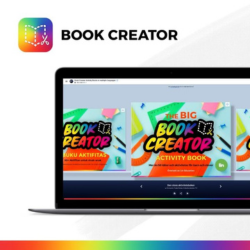
Book Creator was established in 2011 and is based in the UK. Being widely used in 150 countries, they are committed to working alongside educators all over the world to ensure Book Creator remains the simplest, most inclusive way to create content in the classroom. Their mission is to empower students of all ages and abilities to actively engage in the joy of learning.
E ink tablet Series – BOOX
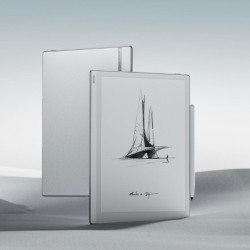
BOOX has more than 10 years of experience in developing eye-protection e-books to help you learn more about different types of e-book products.