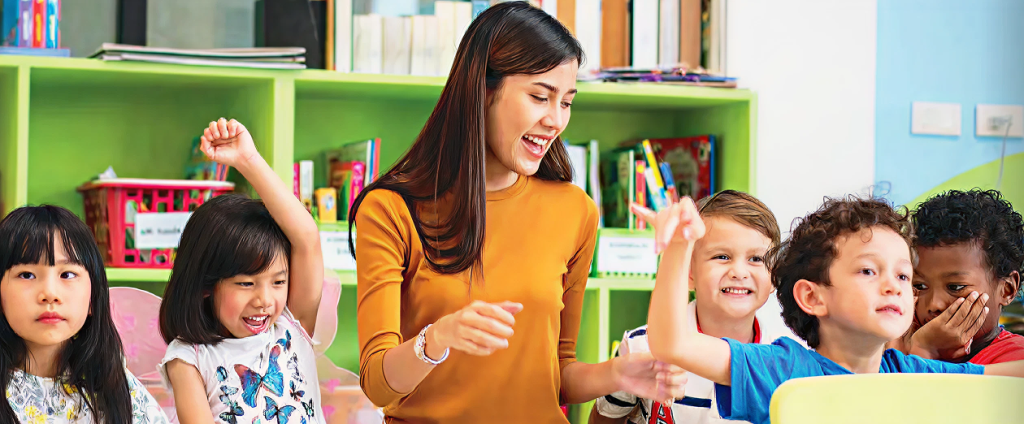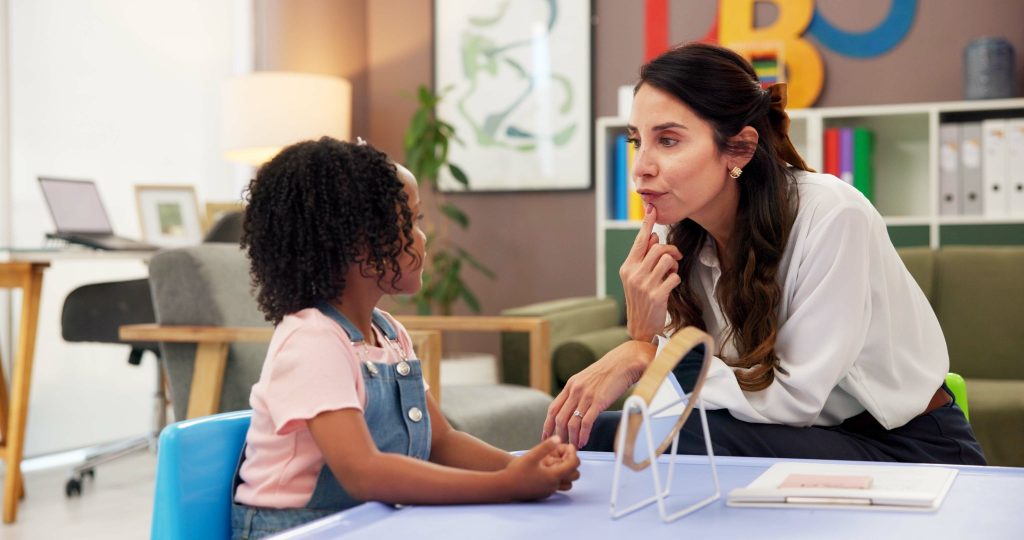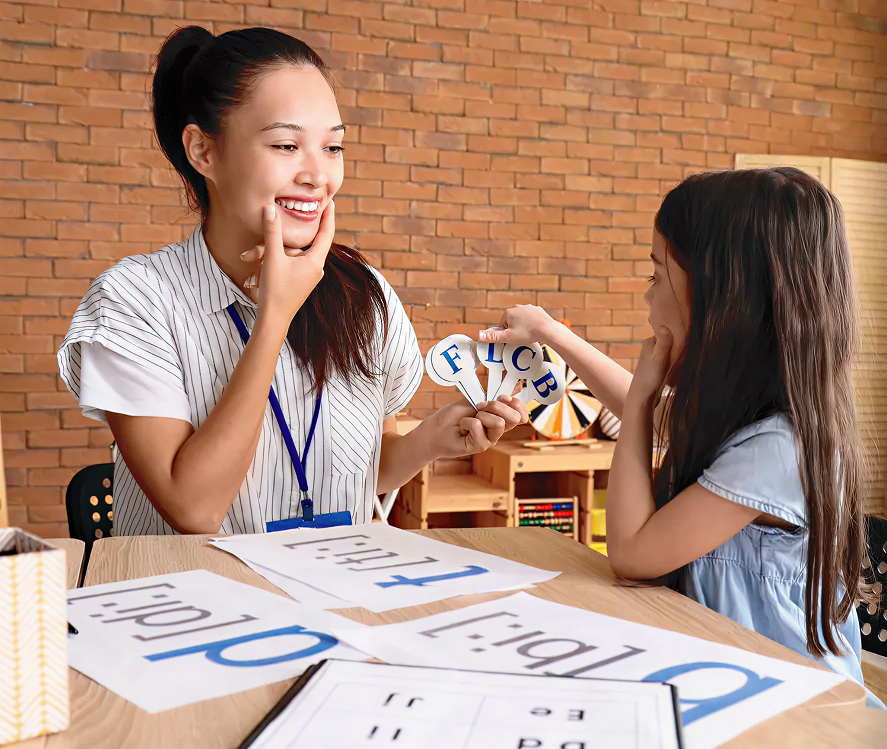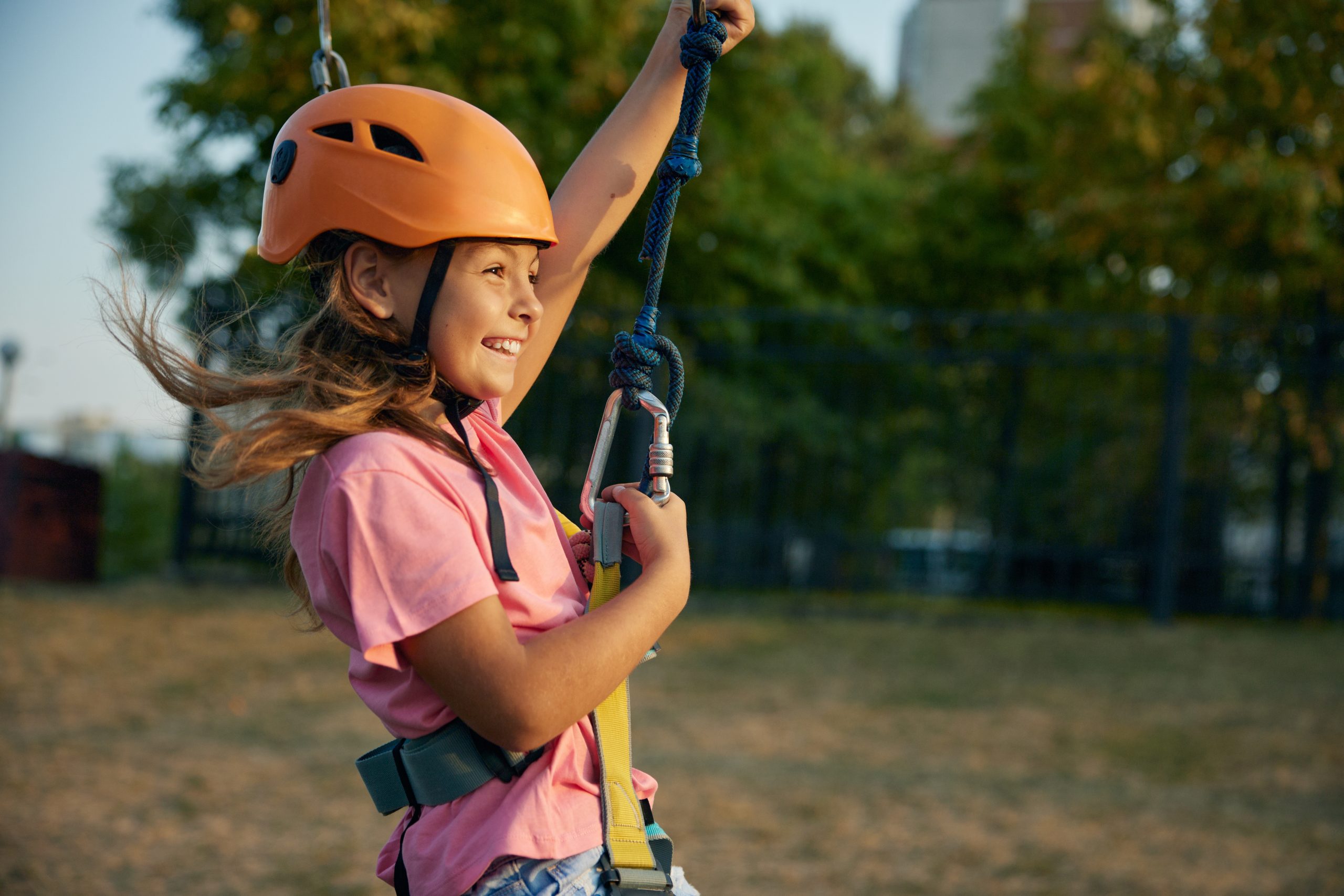
Teaching children about risk is not about frightening them — it’s about helping them understand uncertainty, make thoughtful choices, and build the confidence to act wisely. Educators play a crucial role in this: by guiding children to reflect, experiment, and learn, we support their development into resilient, responsible decision-makers.
Drawing on a Monash‑led research project on children’s risk and insights from expert commentary on decision‑making, here are six practical strategies for the classroom.
- Clarify What Risk Means: Help children understand that risk is not just about immediate danger — but about possibilities, uncertainty, and learning. The Monash-led research defines risk intelligence as the capacity to think critically about risk, not merely to avoid it. You can use age-appropriate examples — like school projects, playground activities, or creative tasks — and talk through why some choices feel risky, and what might make them worthwhile.
- Talk About Why Risks Exist: Encourage open conversations with your students about why certain situations feel risky. Ask questions such as, “Why do you think this could go wrong?” or “What might cause that to happen?” These discussions help children understand how risk arises, and how different factors can make something safer or more dangerous.
- Build Reflection Into Their Decisions: After your students have made a choice, take time to reflect together. Ask: “What happened? Did things go as you thought they would? If you could do it again, would you choose differently?” This kind of reflection helps them connect their decisions to real outcomes and reinforces learning about consequences.
- Give Real but Safe Opportunities to Choose: Provide your students with meaningful choices in everyday school life that let them practise decision-making with real stakes. For example, let them decide which activity to do, or how they want to organise a small project or playtime. Afterwards, talk through how they weighed the pros and cons, what they considered, and why they made the decision they did.
- Teach Simple Risk‑Management Skills: Help your students anticipate possible challenges and plan for them. Introduce “what-if” thinking (e.g., “What could go wrong, and how might we handle that?”) and safety planning (clear, concrete steps if things do not go as planned). Use role-play in the classroom to practise these scenarios — it makes planning more tangible and helps build their confidence in handling uncertainty.
- Model Thoughtful Decision-Making: Demonstrate how adults engage in risk-aware decision-making. Share your reasoning process — how you evaluate options, anticipate different outcomes, and decide. When children observe adults navigating uncertainty through thinking and care rather than rigid rules, they internalise those behaviours as part of their own decision-making toolkit.
Teaching risk intelligence helps children approach uncertainty with confidence, curiosity, and good judgement. Through open conversations, guided choices, reflection, role-play, and everyday modelling, educators can foster an environment where children grow into thoughtful, resilient decision-makers — able to assess risks, learn from experience, and navigate new situations with assurance.
For further insight into how children develop risk awareness and decision-making skills, you may explore the Monash‑led research project Creativity and risk-taking in teaching and learning settings: Insights from six international narratives. To deepen your practice in guiding decision-making and choice, the BBC Future article How to teach children about risk offers practical ideas and reflections.
Curriculum and Guides that may be of interest:
Get a special discount by quoting code AISLMALL during CHECKOUT.
Educational Resources – CK-12

The CK-12 is a non-profit organization which aims to increase access to low-cost K-12 education globally. It provides free and customizable K-12 open educational resources aligned to state curriculum standards.
Online Course Platform – MIT Open Course Ware (OCW)

MIT OpenCourseWare (OCW) is a free and open publication of educational materials from thousands of MIT courses, available online to anyone. It includes materials such as syllabi, lecture notes, assignments, exams, and sometimes video lectures and textbooks, but it does not offer academic credit or certification. The initiative was launched to provide a broad range of MIT’s curriculum freely and openly, inspired other institutions to share their own open educational resources, and allowed users to learn at their own pace.
Professional Learning Courses – Code.org
Code.org® is a nonprofit dedicated to ensuring every student in every school has the opportunity to learn computer science. It creates free, high-quality curriculums, provides teacher training, and supports policies that bring CS to classrooms worldwide. Over 102 million students and 3 million teachers have joined our movement.
Ready-to-Go Curriculum Sets – NovaAcademy
NovaLearn Limited is an EdTech company transforming education by seamlessly integrating machine learning, studio-produced edutainment, and quality STEAM education aligned with international K-12 curricula, empowering students and support educators by equipping them with the skills and tools they need for success. From children and parents at home to school leaders and teachers, the company strives to ensure effective, engaging, and accessible learning and teaching for all. Its vision is to lead the education revolution by improving supplementary education quality, increasing equity, and bridging educational gaps globally.