Speaking multiple languages is much more than just a practical way to communicate. It transforms the brain, unleashing powerful cognitive benefits and delivering lifelong advantages across academic achievement, social engagement, and overall health. Recent research further underscores the importance of multilingualism, emphasising its crucial role in developing young minds and establishing language learning as a key priority in K–12 education.
MULTILINGUALISM AND THE BRAIN: IGNITING COGNITIVE POTENTIAL
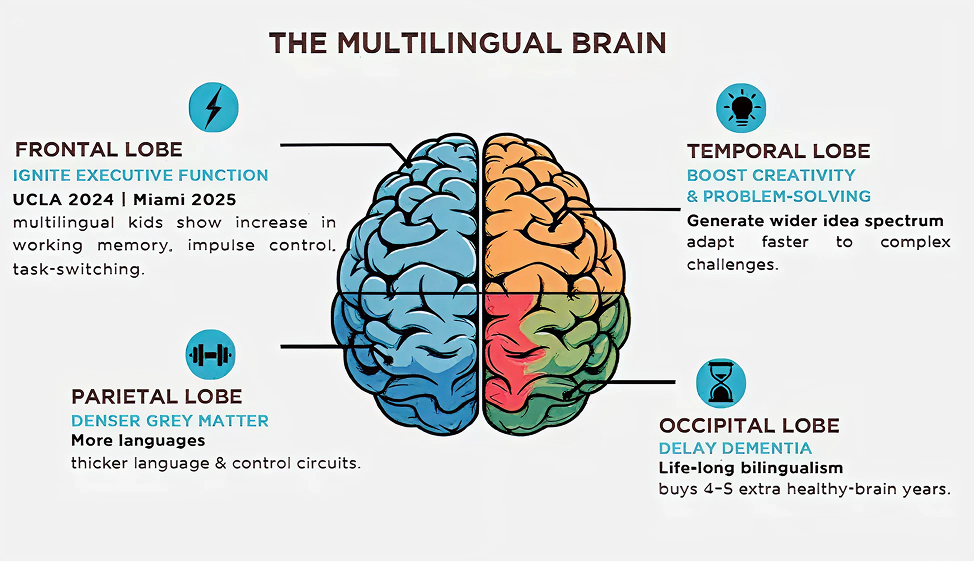
Innovative research from UCLA (Romero et al., 2024) and the University of Miami (2025) provides strong evidence that children raised in multilingual environments exhibit advanced executive functioning. These essential cognitive abilities such as improved working memory, cognitive flexibility, problem-solving, and self-regulation serve as a foundation for greater academic achievement and emotional resilience.
A landmark 2025 study published in Autism Research by Dr. Lucina Uddin reveals that multilingual children, whether neurotypical or on the autism spectrum, outperform their monolingual peers in inhibition (resisting distractions), task-switching and understanding others’ viewpoints. As Dr. Uddin notes, “Speaking multiple languages is associated with better inhibition, better shifting or flexibility, and better perspective-taking ability” (Uddin, 2025, p. 2650).
In a similar vein, research from the University of Miami (2025) shows that bilingual and multilingual learners demonstrate stronger impulse control and greater cognitive flexibility. All key skills for success in diverse and dynamic classroom environments.
HOW LANGUAGE LEARNING TRANSFORMS THE BRAIN
Mastering multiple languages is a profound workout for the brain’s neural circuits governing language processing and executive control. Neuroscientific insights, including those shared by bilingualism expert Dr. Arturo Hernandez (Deutsche Welle, 2024), reveal that managing several languages increases grey matter density and strengthens white matter connections, enhancing communication between brain regions.
This mental exercise bolsters lifelong agility, sharpens information processing, and hones the ability to filter distractions—abilities that seamlessly translate to improved academic performance and real-world problem-solving.
CREATIVITY AND COMPLEX PROBLEM-SOLVING: THE MULTILINGUAL ADVANTAGE
Exposure to diverse linguistic and cultural frameworks sparks creativity by encouraging novel ways to structure thoughts and ideas. Research shows multilingual individuals generate a broader spectrum of innovative solutions and adapt more readily to complex challenges. Educators observe how these skills elevate classroom discussions, enhance project-based learning, and foster effective group problem-solving.
BUILDING COGNITIVE RESERVE: MULTILINGUALISM’S ROLE IN DELAYING DEMENTIA
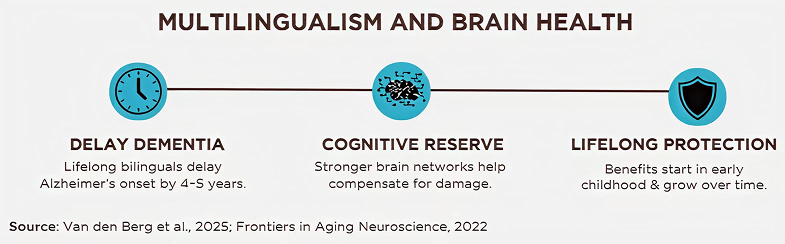
Meta-analyses published in The Journals of Gerontology: Series B (Van den Berg et al., 2025) link lifelong bilingualism to a remarkable 4-5 year delay in the onset of Alzheimer’s disease and related dementias. This protective effect stems from “cognitive reserve”, which is the brain’s strengthened capacity to compensate for age- or disease-related damage via expanded neural networks.
A 2022 review in Frontiers in Aging Neuroscience confirms multilingualism as a practical, sustainable brain health strategy, with benefits that accumulate from early childhood onward. This positions early multilingual education as a powerful investment in lifelong cognitive wellness.
BEYOND COGNITION—SOCIAL, CULTURAL, AND EMOTIONAL RICHES
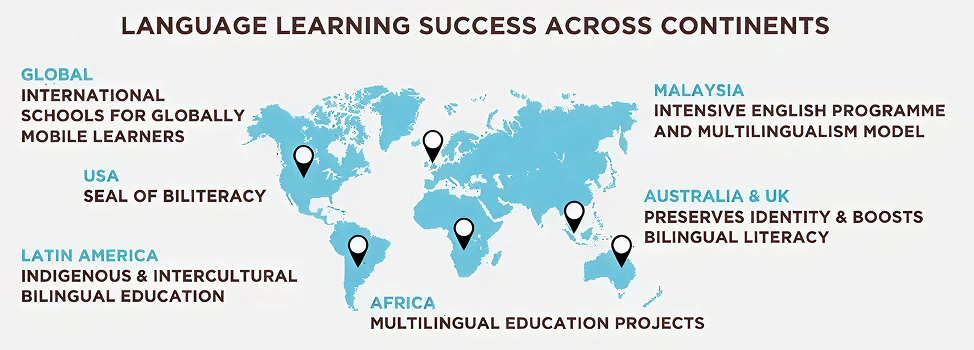
The advantages of multilingualism extend well beyond intellectual gains. Multilingual learners tend to develop profound empathy, cross-cultural sensitivity, and stronger interpersonal skills. All these traits are essential to succeeding in a globally interconnected world. Heritage language schools in Australia and the UK exemplify this by reinforcing students’ cultural identity and sense of belonging while simultaneously boosting mainstream academic performance through bilingual literacy development.
With employers worldwide valuing multilingualism for enhanced communication and global outlook, educators and families have strong incentives to champion language learning.
GLOBAL SUCCESS STORIES IN MULTILINGUAL EDUCATION
INDIGENOUS AND INTERCULTURAL BILINGUAL EDUCATION (IBE) IN LATIN AMERICA:
Countries such as Mexico, Bolivia, and Ecuador employ IBE to empower Indigenous learners through mother-tongue instruction alongside national languages. Mexico’s constitutional recognition of multilingualism since 1992 underscores the importance of this approach in promoting cultural pride and educational equity—despite challenges in resources.
MALAYSIA’S INTENSIVE ENGLISH PROGRAMME WITH MULTILINGUALISM MODEL:
At Universiti Kebangsaan Malaysia, the IEP integrates translanguaging and multilingual awareness, creating inclusive classrooms where students’ first languages (Mandarin, Cantonese, Hakka) coexist with English proficiency development, enriching language skills holistically.
HERITAGE LANGUAGE SCHOOLS IN AUSTRALIA AND THE UK:
Weekend schools teaching Mandarin and Polish support migrant children in preserving their heritage languages and identities, complementing mainstream education and fostering intercultural understanding.
SEAL OF BILITERACY INITIATIVES IN U.S. STATES:
Widely adopted in states like Ohio and Texas, this credential formally recognises multilingual proficiency, motivating students and validating linguistic diversity—a model inspiring similar programmes globally.
MULTILINGUAL EDUCATION PROJECTS IN AFRICA:
Initiatives such as Nigeria’s Ife Multilingual Education Project and South Africa’s LOITASA blend local languages with English, employing culturally responsive pedagogy to enhance literacy and inclusion.
INTERNATIONAL SCHOOLS FOR GLOBALLY MOBILE LEARNERS:
The American School in Mexico City exemplifies best practices, using standardised language proficiency assessments to tailor instruction and support multilingual development amid frequent student relocation.
“Research shows multilingual individuals generate a broader spectrum of innovative solutions and adapt more readily to complex challenges. Educators observe how these skills elevate classroom discussions, enhance project-based learning, and foster effective group problem-solving.”
WHAT THIS MEANS FOR K–12 EDUCATION
The evidence is clear: schools must foster supportive, sustained multilingual environments by:
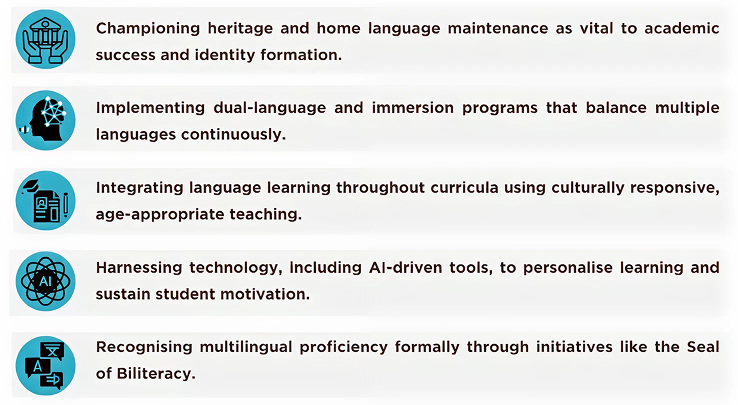
These strategies cultivate students who are not only linguistically skilled but also adaptive, creative, and culturally fluent — all prepared to thrive in an increasingly complex world.
LOOKING AHEAD: AN ERA OF MULTILINGUAL EMPOWERMENT
The science is unequivocal. Speaking multiple languages transforms minds and lives. It enhances brain function, fosters social and emotional growth, and contributes to lifelong health benefits. For educators, parents, and policymakers, supporting multilingual education is one of the smartest investments we can make as we continue to shape agile thinkers, empathetic global citizens, and resilient leaders for the 21st century and beyond.
Language Learning that may be of interest:
Get a special discount by quoting code AISLMALL during CHECKOUT.
Books and E-books – Shanghai Book Traders
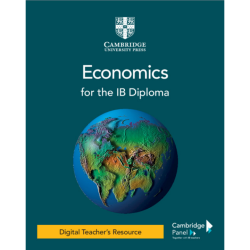
Shanghai Book Traders was established in 1950 and has a development history of over 70 years. It is a state-owned book import and export company with its headquarters located at Fuzhou Road, Huangpu District, Shanghai. It owns its own stores and warehousing centers and has branches overseas as well as several distribution centers in Asia, Europe and America. The company has established partnerships with thousands of publishing houses at home and abroad. Its business scope includes book retail, wholesale, import and export of books and periodicals, holding various book exhibitions at home and abroad, copyright trading, agency import and export, etc. Among them, the book import and export business holds over 70% of the market share in the East China region and has established business relations with most foreign-related schools and institutions in the region.
Language Learning – Speechsquare

Speechsquare by Melyngo Technology PTE LTD is an AI Speech Analytics company. They optimise the tutoring and assessment of oral skills. Their proprietary AI allows granular analysis of speech up to the phoneme, enabling instant visual and audio feedback for the learner and powerful analysis tools for language specialists. Speechsquare is available in 7 languages: English, Chinese, Korean, Japanese, Spanish, French, and German.
Leveled Reading Platform for Pre-K to Grade 8 – Chinese 1-2-Tree
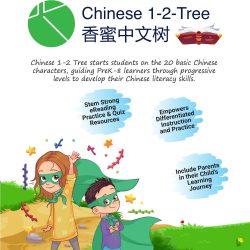
Chinese 1-2-Tree is a unique leveled reading interactive learning platform designed to provide progressive leveled reading starting with 20 basic characters. Chinese 1-2-Tree provides teachers with a scaffolded leveled reading program that uses accessible digital technology to improve teaching effectiveness, save time, and reduce students’ workload. Chinese 1-2-Tree offers literacy essentials for every PreK-8 Chinese classroom. They offer a complete solution for reading instruction and student practice, perfect for use in class and at home.
Online English Classes for Kids – Novakid
Novakid is Europe’s #1 online English school for kids aged 4-12, trusted by families worldwide. With certified native-speaking teachers, it offers interactive lessons that make learning fun and effective. Using games, activities, and full-language immersion, Novakid helps kids build confidence and English fluency. Its CEFR-based curriculum ensures real progress, while parents appreciate the blend of high-quality education and enjoyable experiences that prepare children for future success.