As 2025 draws to a close, a remarkable body of research is reshaping how educators think about learning, teaching and student wellbeing. Edutopia’s roundup of the 10 most significant education studies of the year highlights emerging trends—from classroom practices and cognitive strategies to the impacts of technology and recess on pupil performance. These studies point educators toward practical, student-centred strategies grounded in rigorous research.
1. Cell Phone Bans Improve Learning Outcomes
One of the most striking findings of 2025 comes from large-scale research on banning cell phones in classrooms. In an ambitious trial involving nearly 17,000 students across college campuses, researchers found that when phones were removed from daily use, academic outcomes improved significantly. Students without phones showed higher grades and fewer behavioural disruptions, suggesting that device-free environments help narrow achievement gaps. A related 2025 study from Florida high schools echoed these benefits while also noting reduced absenteeism as phone bans took effect.
The implications are clear: limiting distractions may foster deeper engagement. This evidence has accelerated policy changes, with many U.S. states passing new regulations restricting phone use in schools.
2. Strategies for Solving Word Problems
Mathematics educators have long wrestled with word problems, and research this year offers fresh insight. Analysing 1,000 student responses, researchers found that simply highlighting key words isn’t enough. Instead, students who combined diagramming, categorisation and annotation were substantially more successful. These approaches help learners break down complex information and manage cognitive load more effectively.
This research underscores that helping students externalise and organise information is a powerful boost to mathematical reasoning.
3. The Impact of Microbreaks on Attention
New studies from UK classrooms reveal that students’ attention declines rapidly during lectures. However, incorporating regular microbreaks—short, informal pauses every 10 minutes—led to dramatic improvements in attentiveness and performance. Whether students stretched, chatted quietly, or simply rested, these brief interludes helped them stay focused throughout long sessions.
This research supports the idea that attention is finite, and that structuring learning with frequent resets can enhance student engagement.
4. Handwriting Enhances Literacy
In an era dominated by keyboards, new evidence highlights the enduring value of handwriting. A 2025 study demonstrated that young learners who practised writing letters by hand outperformed peers who typed, in letter recall and word decoding tasks. The physical act of forming letters appears to support deeper cognitive processing necessary for reading and literacy.
These findings encourage educators to preserve handwriting practice alongside digital literacy.
5. Learning Through Productive Struggle
Another significant theme involves productive struggle—the notion that challenge, not avoidance, builds competence. Research showed that students who are rescued too quickly from difficulty often feel less capable and less willing to tackle new challenges. Instead, guidance that nudges learners without giving them the answers helps build both resilience and confidence in problem-solving.
This research offers a persuasive argument for recalibrating support to balance challenge with achievable success.
6. AI Eases Paperwork for Special Educators
Technology continues to play an evolving role in education. A 2025 study surveyed special education teachers who used generative AI tools like ChatGPT to draft Individualised Education Programme (IEP) goals. Teachers found that AI-generated outputs were of similar quality to their own writing, saving time without sacrificing clarity or structure. Many respondents saw this as a promising approach to reduce administrative burden and increase instructional time.
7. Play Matters: Recess and Stress
Recess may feel like a luxury amid packed curricula, but studies in 2025 emphasised its importance. When students received longer daily play periods, biological measures of stress—such as cortisol levels—decreased dramatically. These findings reinforce a growing consensus: unstructured, outdoor play is not optional; it supports emotional health and readiness to learn.
8. Relationships Drive Success
Two comprehensive analyses confirmed a core truth: positive student–teacher relationships boost academic and social outcomes. Supportive, high-expectation environments were linked to improved behaviour, executive functioning, and a sense of belonging. These relational factors consistently predicted stronger academic success across diverse populations.
9. Teaching Is a Complex Human Art
Research comparing teacher training approaches showed that practice-based preparation, involving rehearsal and feedback, produces more effective educators than theory-heavy programmes alone. This underscores the need for sustained, hands-on training to navigate real classroom complexities.
10. AI and Student Thinking
Finally, a striking study found that students who used AI tools like ChatGPT to write essays often had poorer recall of their own work compared with those who wrote unaided. While AI can support revision and refinement, these results highlight the importance of structuring AI use to preserve core cognitive skills, rather than substituting them.

Collectively, these studies offer a rich, research-grounded blueprint for educators. They challenge assumptions, celebrate evidence-based practice, and remind us that effective teaching blends human insight with thoughtful innovation.
You can read the Edutopia’s full list of studies here: The 10 Most Significant Education Studies of 2025
School Operations & Supplies that may be of interest:
Get a special discount by quoting code AISLMALL during CHECKOUT.
Consulting Services in Technology – 21C
21C learning helps K-12 schools improve their tech infrastructure and teaching practices. Their services include strategic plan reviews, onsite visits, stakeholder interviews, and surveys on tech readiness. They also offer fractional CIO/Tech Director services for cost-effective guidance and support.
Learning Management System – Otus
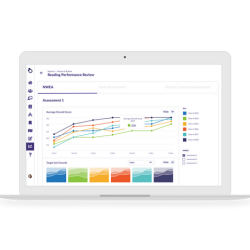
Otus provides educators with a platform that offers data-driven insights, collaborative learning, personalized professional development plans, feedback and reflection tools, and access to both internal and external professional development resources. This comprehensive suite of tools empowers educators with the knowledge and skills to excel in various areas such as Project-Based Learning, Social Emotional Learning (SEL), Progress Monitoring, MTSS (Multi-Tiered Support System), and Standards-Based Grading.
Smart Queuing System - 3Education

3Education’s Digital Queue Reservation System provides an efficient and innovative management solution for schools. With its digital queuing technology, schools are able to manage the flow of students and parents more effectively, especially during open days, parents’ days or equipment rentals. This system can be personalized according to the needs of different schools, ensuring an efficient and smooth process. It not only saves students and parents waiting time, but also enhances the transparency of school management and the effectiveness of communication.
STEM Arts and Crafts – C.S. Kids

C.S. Kids arts and crafts items, including mosaic kits, night lamps, sewing kits, cross-stitch keychains, and paper quilling, are designed for children aged 3-10. These activities promote creativity, motor skills, patience, and parent-child bonding, encouraging learning through fun and hands-on projects.