Adolescence brings many physical, emotional and social changes. For many teens, these changes come with heightened attention on appearance. How a young person sees their body can deeply affect their self-esteem, confidence, and emotional wellbeing. According to a survey published by the Mental Health Foundation: around one in three teenagers in the UK say they feel ashamed of their body image, and many report that images on social media make them worry about how they look. It is therefore crucial for parents to understand the pressures and vulnerabilities teens face, and to help them build a healthy sense of self — not just based on appearance, but grounded in self-worth, resilience, and inner confidence.
In the article Teens and body image, UNICEF highlights that “body image” refers not only to what we see in the mirror, but also to how we feel about our bodies and how we believe others see us. According to Dr Damour, psychologist and New York Times best-selling author specialising in adolescent development, adolescence is a particularly vulnerable time where hormonal, social, and media influences can amplify body-related self-criticism or insecurity. Negative body image can lead teens to feel ashamed, withdraw socially or focus excessively on appearance rather than their qualities and potential — a pattern that can be especially problematic for boys, who research shows may already be more likely to withdraw emotionally during adolescence.
Key Takeaways from Teens and body image and Practical Tips:
- Body Image Shapes Self-Esteem and Identity: For teens, how they see their body can strongly influence their self-confidence, self-esteem and social comfort. What begins as discomfort about appearance can, for some young people, turn into frequent self‑criticism that affects how they feel about themselves overall.
Practical tip: Encourage your child to recognise and celebrate qualities beyond appearance — kindness, creativity, humour, effort, persistence. Build a strengths list together so that they can revisit when negative thoughts arise. - Body Image Concerns Affect All Genders: Though often framed as a girls’ issue, body dissatisfaction can also affect boys – for example, boys may focus on muscularity or body shape rather than weight.
Practical tip: Make conversations about body image gender-inclusive. Avoid assumptions (e.g. that only daughters worry about looks). Ensure boys feel equally supported to express insecurities or ask questions. - Negative Body Image May Lead to Worrying Thoughts or Behaviours: When teens struggle with how they see their bodies, it can start to affect their thoughts, routines, and choices in worrying ways – for example, spending a lot of time thinking about appearance or letting it dictate what they do.
Practical tip: Watch for warning signs such as fixation on weight or shape, skipping meals, avoiding social events, or preoccupation with appearance. If these appear, approach the subject gently and openly; let them know you are there for support, not judgment. - Parental Attitudes and Self-Talk Matter: As Dr Damour emphasises, how parents talk about their own bodies, or others’, shapes children’s perceptions. Negative self-comments or critiques of appearance can inadvertently teach teens to view their bodies through critical lenses.
Practical tip: Model body acceptance. Avoid complaining about your own shape or making negative remarks about others’ bodies (including in harmless jokes). Speak instead about what you appreciate about your body for what it does (strength, health, energy) rather than how it looks. - Media, Social Media, and Societal Ideals Influence Self-Perception Deeply: Teens are constantly exposed to curated images that emphasise certain beauty standards. On today’s visual-driven platforms, teens can see a steady stream of very similar, idealised bodies, which can make it difficult not to compare themselves in unhelpful ways.
Practical tip: Encourage media literacy — discuss with your teen how images are edited, stylised, and can set unrealistic expectations. Help them curate their feeds: follow accounts celebrating body diversity, unfollow content that promotes unhealthy standards, and use platform tools to limit exposure to triggering content. - Physical Activity and Self-Care Should Be Framed as Wellbeing, Not Appearance: Rather than linking exercise or diet to weight or shape change, it helps to highlight physical activity as a way to feel strong, healthy, and emotionally balanced.
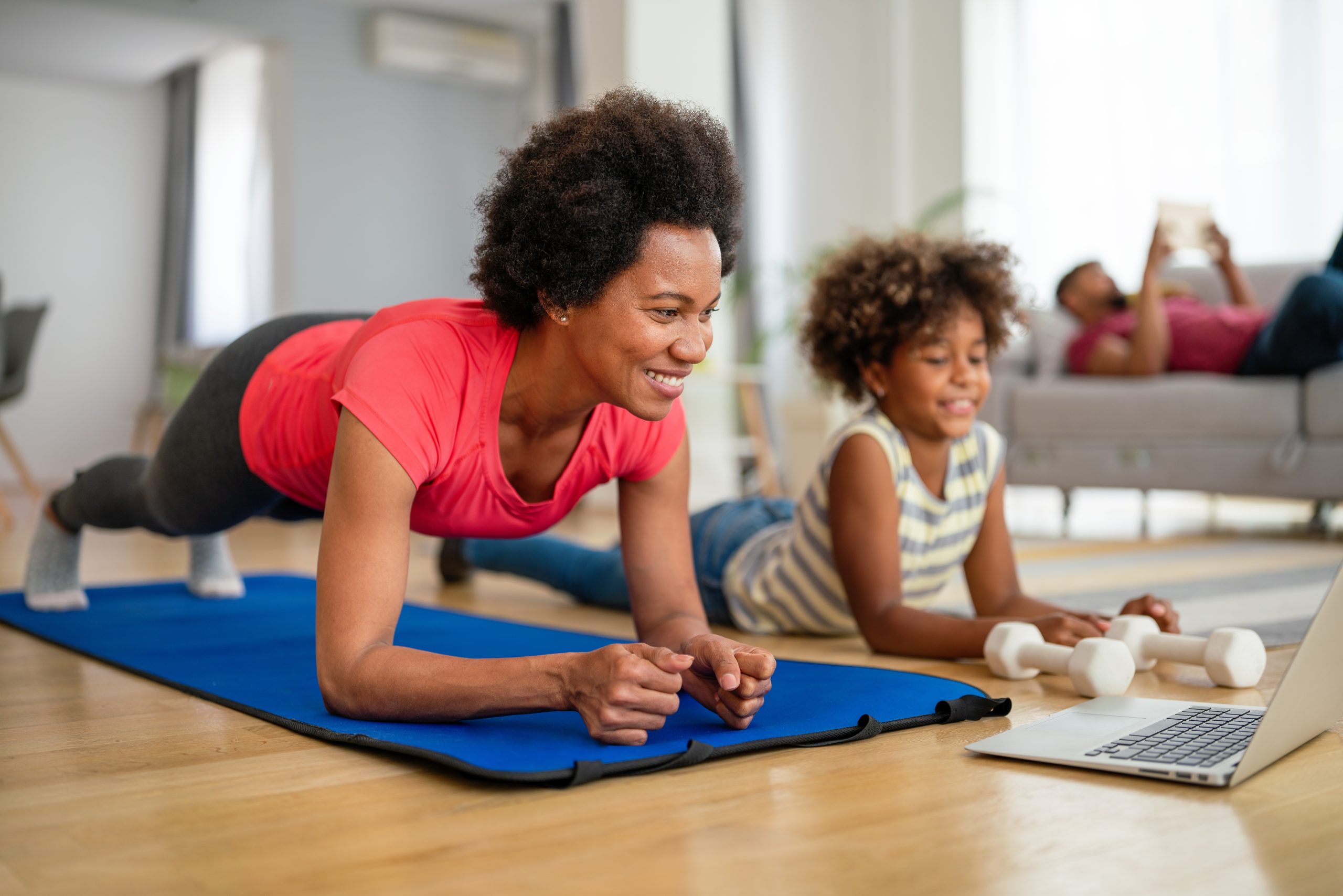
Practical tip: Invite your teen to engage in sports or movement for joy and health, not body change. Share activities you enjoy together: walking, cycling, dancing. Emphasise how movement helps mood, energy, and wellbeing.
Body image during adolescence is more than a surface concern — it affects how teens feel about themselves and how they engage with the world. As a parent, offering empathy, safe dialogue, and support can make a big difference. Encouraging healthy habits, promoting body positivity, and challenging unrealistic standards will help teens grow into confident and resilient adults.
By staying attentive to changes in behaviour and self-perception, and by consistently affirming your teen’s strengths, values and efforts – not just how they look – parents can help them navigate these years with more comfort and confidence in their own skin.
For further insight into this topic, read the full UNICEF article on teen body image.
Health and Wellness Products / Services That May Be of Interest:
Get a special discount by quoting code AISLMALL during CHECKOUT.
Digital Wellbeing Diagnostic Test – KiguLab
Know what your parents need before you invest in a parenting programme. KiguLab’s Diagnostic Test for parents and caregivers takes minutes and delivers personalised scores across 4 domains of parental competencies, including “Digital Wellbeing Environment at Home,” “School-Parent Communication,” and more. Delivered straight to each parent’s inbox immediately after submission.
Health & Wellbeing Videos – Mindfulabs Limited

Introducing a lecture series by Dr. Christopher Willard, a renowned expert from Harvard Medical School, designed to bring mindfulness and communication strategies into your family and academic life. This comprehensive series offers practical, evidence-based tools to help families and students thrive in today’s demanding world. In Positive Communication at Home
Initial 90-minute Consultation with Supported Healing for Children – iLiving
In our experience, the younger the child with persistent symptoms, the more likely they are expressing unprocessed elements within the family, and they can transform the situation with the right method. Our unique integrative coaching and healing approach supports clients of all ages to align with their innate genius and life purpose, and to truly embody the joy of living. This consultation includes health scan of a child who is suffering from chronic physical or mental health challenge and coaching to their caretaker/parent(s).
Plant-based Whole Food Snacks – Cocoparadise

Cocoparadise is a company devoted to making natural, clean, superfood snacks that are good for you and the planet. They’re on a mission to inspire, encourage and make healthy living fun and easy. They think you shouldn’t compromise on taste when it comes to eating healthier. And they prove it with our delicious line of plant-based snacks. Whether you’re on a health kick or simply seeking tasty vegan, vegetarian, keto, gluten-free and paleo snacks… Cocoparadise is your destination.
Transformative and Mindfulness Forest Immersion Walk – KFBG

KFBG delivers inspiring, awareness-shifting and transformative programmes with potential life-changing experiences. They offer an opportunity and a peaceful space in the natural environment of KFBG for participants to experience, to rethink, to identify and to be able to deeply connect and appreciate Gaia, our mother Earth, and the interconnection and interrelationship that they share with her. By being close to, and having a respect for nature, through our transformative workshops, people can experience a sense of deep happiness and spiritual contentment in which could facilitate a more holistic way of living.
Wellbeing Books Series – Mindfulabs Limited

Dr. Willard’s books blend mindfulness with practical approaches for families. *Alphabreaths* teaches kids mindfulness through ABC-themed breathing exercises, while *Growing Up Mindful* offers parents and educators tools to help children build resilience, self-awareness, and empathy through mindfulness.