A recent article from The Harvard Gazette explores how children develop moral qualities such as kindness, fairness, and honesty. Drawing on research from Harvard’s Making Caring Common initiative, the findings challenge the belief that moral capacities are fixed and emphasise the potential for both children and adults to grow into better, more caring individuals.
Key Findings
- Moral Growth is Possible
- Children’s moral strengths and weaknesses are dynamic and can evolve over time. Labelling children as “good” or “bad” risks reinforcing negative behaviours through expectation bias.
- Psychologist Carol Dweck’s concept of a “growth mindset” applies to moral development: children may not be able to fully embody qualities like sharing or fairness yet, but with guidance, they can develop these skills.
- The Role of Parents and Educators
- Adults play a crucial role in fostering moral growth by:
- Modelling behaviours like care, respect, and fairness.
- Helping children consider moral dilemmas from multiple perspectives.
- Supporting children in managing emotions that could lead to harmful actions.
- Adults play a crucial role in fostering moral growth by:
- Practicing Kindness and Expanding Circles of Care
- Opportunities to practice empathy and care—such as helping a classmate, pitching in at home, or assisting a neighbor—are essential for moral growth.
- Parents and educators should encourage children to expand their “circle of care” to include not just friends and family, but also those often overlooked, such as bus drivers, servers, or custodians.
- Learning from Mistakes
- Parents can advance moral development by openly discussing their own moral missteps and how they plan to avoid repeating them. This models a growth mindset and reinforces a family identity centered on care and fairness.
Why Moral Growth Matters
The article argues that moral development is especially important in today’s polarised world, where individualism often overshadows collective concern for the common good. By nurturing the capacity for moral growth in children, families and schools can help reverse trends of division and promote a culture of kindness and justice.
Implications for K-12 Stakeholders
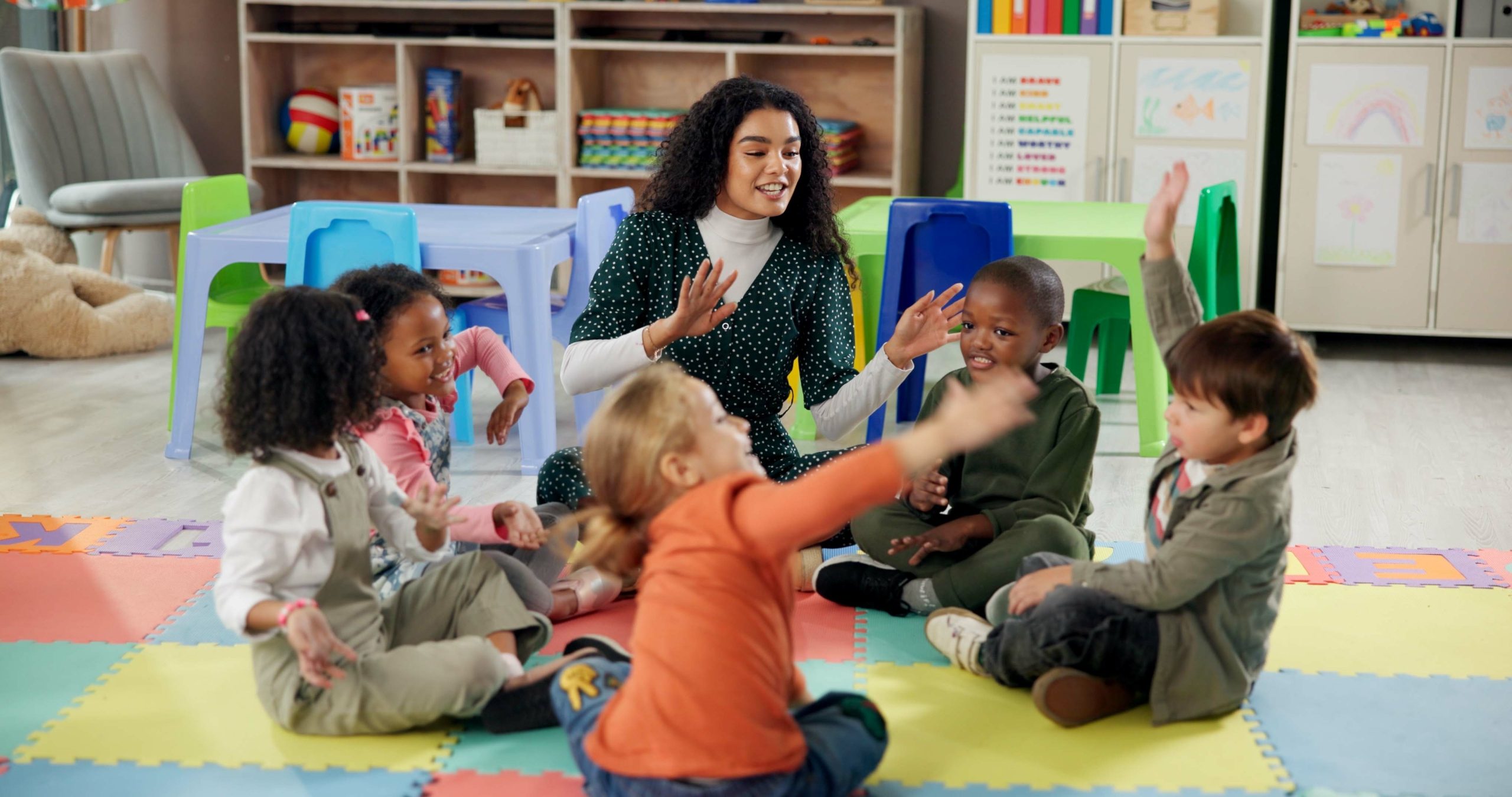
- For Schools: Schools can create structured opportunities for students to engage in acts of kindness, such as community service projects, peer mentoring, or classroom discussions on moral dilemmas.
- For Teachers: Educators can model fairness and empathy while integrating lessons on ethical behaviour into everyday teaching. Encouraging students to reflect on moral questions can help them build critical thinking and emotional intelligence.
- For Parents: Families can foster a culture of care by openly discussing values, encouraging acts of kindness, and modeling positive responses to mistakes.
Conclusion
Moral development is not fixed—it is a skill that can be nurtured through intentional actions by parents, teachers, and communities. As the article highlights, promoting a growth mindset for morality can help children develop into caring and just individuals, fostering healthier and more empathetic societies.
For the full article, visit: How Children Learn to Be Good.
Curriculum and Guides that may be of interest:
Get a special discount by quoting code AISLMALL during CHECKOUT.
AR Tool – StoryTellAR
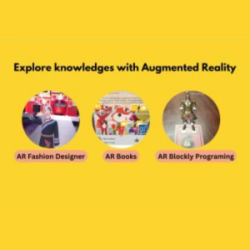
StoryTellAR by 3Education is committed to assisting schools in adapting technology to cultivate self-learning ability for the new generation. We are all here to help teachers in achieving their educational goals. Empowered by 3 Hong Kong’s strongest 5G network, we provide a wide range of teaching and learning solutions to help students develop their strengths.
Books and E-books – Shanghai Book Traders
Shanghai Book Traders was established in 1950 and has a development history of over 70 years. It is a state-owned book import and export company with its headquarters located at Fuzhou Road, Huangpu District, Shanghai. It owns its own stores and warehousing centers and has branches overseas as well as several distribution centers in Asia, Europe and America. The company has established partnerships with thousands of publishing houses at home and abroad. Its business scope includes book retail, wholesale, import and export of books and periodicals, holding various book exhibitions at home and abroad, copyright trading, agency import and export, etc.
Curriculum and Guides for Coding – BSD Build
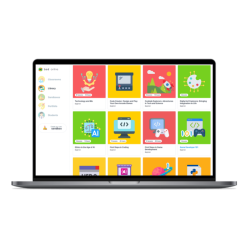
BSD (Build Something Different) is an international team of social entrepreneurs, technologists, and educators dedicated to empowering the kids of today with the tools for tomorrow. It has empowered students by enabling educators to bring the technology, 21st century and competencies, and real-world professional skills into everyday lessons through project-based curricula for students aged 6–18, delivered on an easy-to-use online platform with comprehensive training and year-round support. Certified by Digital Promise and the CPD Standards Office, their programs are mapped to major international standards and can be implemented immediately by teachers with no prior technology experience, across technology courses, core subjects, after-school activities, and holiday tech camp. Now, BSD Education now works closely with both students and teachers to prepare learners for the jobs of the future and make digital skills truly accessible to every classroom.
Educational Resources – CK-12

CK-12 Foundation provides free, high-quality learning resources for students and educators globally. Our mission is to reduce the cost of academic textbooks for K-12 education worldwide. CK-12 leverages technology to offer customizable digital textbooks, interactive simulations, adaptive practice, and real-world applications, making learning engaging and effective.
Online Course Platform – MIT Open Course Ware (OCW)

MIT OpenCourseWare (OCW) is a free and open publication of educational materials from thousands of MIT courses, available online to anyone. It includes materials such as syllabi, lecture notes, assignments, exams, and sometimes video lectures and textbooks, but it does not offer academic credit or certification. The initiative was launched to provide a broad range of MIT’s curriculum freely and openly, inspired other institutions to share their own open educational resources, and allows users to learn at their own pace.